If there’s a sentiment that defines the packaging industry’s mindset heading into 2026, it isn’t optimism or innovation or vision. It’s closer to discipline, pragmatism, or practicality.
Packaging World’s 2026 Annual Outlook Reports reflect CPG reader survey results on topics spanning automation and robotics, e-commerce/D2C packaging, sustainable packaging, contract packaging, workforce development, healthcare packaging, and digitalization. And across all seven surveys, the big-picture takeaway is remarkably consistent. Packaging decisions are being shaped less by aspiration and more by operational reality. Across these reports, less sexy factors like cost, labor, regulation, and risk consistently rise to the top of decision-making.
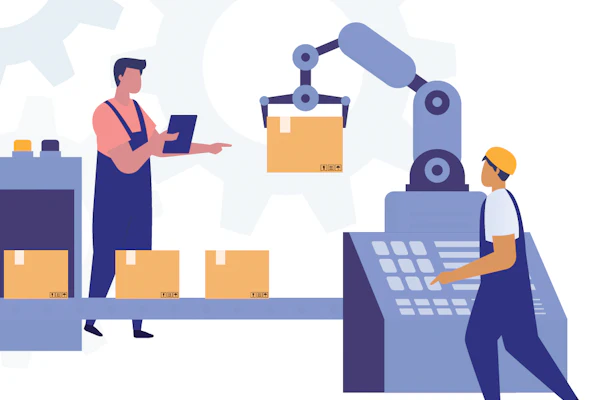
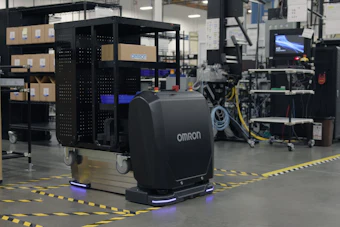
Consider automation. Nearly 7 in 10 CPG respondents say they plan to add automation, cobots, or robotics in 2026, continuing a steady upward climb. This isn’t an automation boom. It’s something more telling. It’s a cautious but deliberate commitment to technology as insurance against labor instability and rising operating costs.
What’s changed isn’t the why, but the how. Brands are more exacting about ROI, footprint, and deployment risk, which explains why automation continues to concentrate in end-of-line and secondary packaging. These are areas where labor intensity is high, ergonomics are challenging, and the business case is easiest to defend. Survey respondents don’t frame automation as transformative, rather as a hedge or as protection.
The workforce survey data makes that logic unavoidable. Hiring difficulty rises sharply with skill level, with more than half of respondents reporting great difficulty hiring skilled operators and maintenance technicians. Turnover remains stubbornly high, temp labor is widely used but increasingly viewed as a stopgap, and despite OEM efforts to simplify HMIs and training, respondents say that training on new equipment is becoming harder, not easier. Even as companies invest more in leadership training, they’re pulling back on long, operator-level programs because retention is too uncertain.
Against that backdrop, automation isn’t replacing labor. It’s compensating for a labor system that simply can’t scale fast enough.
That same realism is pushing brands toward contract manufacturers and packagers. In the 2026 Contract Packaging survey, 42% of brands say they plan to increase external manufacturing and packaging over the next two to three years, up from last year. And uncertainty around outsourcing has nearly vanished. Access to specialized equipment remains the top driver, not cost alone.
This reflects a broader shift in capital strategy. Rather than invest heavily in equipment that may be underutilized, brands are choosing flexibility. They’re using contract partners to access advanced processes, short runs, and new formats without locking up capital or talent. In many ways, contract packaging has become an extension of the same disciplined thinking driving automation decisions: focus internal resources where they create differentiation, and partner for the rest.
E-commerce and D2C packaging show a similar pattern of tradeoff management. Product protection remains the dominant requirement, cited by nearly 70% of respondents, while sustainability and aesthetics jockey for position behind it. The rise of SIOC/SIPP and the quiet move toward channel-specific packaging designs point to a growing acceptance that “one perfect package” is often unrealistic in a parcel environment shaped by carriers and platforms.
Sustainability, meanwhile, has entered its most pragmatic phase yet. Paper and fiber continue to gain share, recyclable monomaterial plastics are surging, and bio-based and compostable materials have largely stalled in the face of infrastructure and performance realities. Extended producer responsibility is now a primary driver of material choice, overtaking consumer perception in many cases. Lightweighting, recycled content, and material reduction are as much about fee exposure and compliance risk as environmental ambition.
Taken together, these signals point to an industry that has changed a lot in recent years under a ton of pressure. Packaging in 2026 isn’t about chasing every new idea (I’m looking at you, AI). It’s about choosing the right ones and being able to defend them to operations, finance, regulators, and consumers alike.
That may not sound glamorous. But after a decade of disruption, it’s what progress has to look like. Want the data to back up these takeaways? Visit pwgo.to/9052 to access Packaging World’s entire 2026 Annual Outlook Report*.