Recent packaging innovations from Kraft Heinz, Aldi, and Z2 Performance demonstrate how flexible pouches, temperature-sensitive labels, and easy-tear designs improve consumer convenience and accessibility across food and sports nutrition categories.
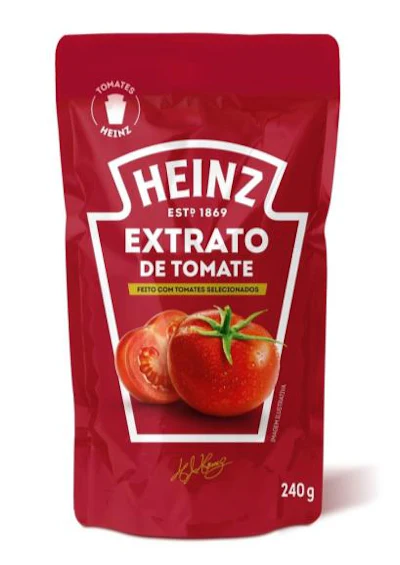
- Kraft Heinz introduced tomato paste in a 240-gram stand-up pouch in Brazil, leveraging flexible packaging for better shelf display and reduced material usage.
- Aldi's thermochromic label technology on wine bottles uses temperature-sensitive ink to signal optimal serving temperature without additional devices.
- Z2 Performance redesigned sports nutrition sachets with side micro-perforations for one-handed opening, improving usability for athletes during high-intensity activities.
- All three innovations prioritize consumer experience and inclusivity while maintaining compatibility with existing packaging formats and recyclability standards.
These innovations demonstrate the packaging industry's commitment to enhancing consumer experience while addressing inclusivity concerns.
Learn more about ThePackHub's Innovation Zone here.
Kraft Heinz' stand-up pouch format expands tomato paste packaging offering
Kraft Heinz, a multinational food company headquartered in Chicago, United States, has introduced tomato paste under its Heinz brand in Brazil using a 240 gram (8.47 oz) stand-up pouch format, marking its entry into the tomato paste category in the region. The packaging innovation focuses on flexible pouch technology, which is increasingly adopted in the food sector due to its lightweight structure, reduced material usage, and convenience in handling and storage. The stand-up pouch format allows for efficient shelf display and improved space utilization during transport and storage compared to rigid alternatives. The product is manufactured using tomatoes grown and processed entirely within Brazil, supported by a vertically integrated supply chain and production at the company’s Nova Goiás facility. While the primary innovation lies in format expansion rather than material composition, the use of flexible packaging aligns with broader industry trends towards lightweighting and cost efficiency. The pouch is designed to deliver functionality in terms of portion control and ease of use in domestic cooking applications, particularly as demand for home meal preparation increases. The introduction reflects a strategic use of packaging format to support category expansion and consumer convenience, rather than a fundamental shift in packaging materials or sustainability approach.
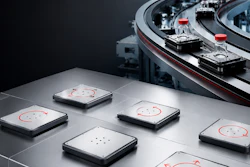
 The smart packaging element uses temperature-sensitive ink technology that changes color in response to specific thermal conditions.ThePackHub
Aldi uses thermochromic label to indicate optimal wine serving temperature
Aldi, headquartered in Essen, Germany, has introduced a packaging feature for its Specially Selected Rouge Clair wine that incorporates a thermochromic label designed to indicate when the product has reached its optimal serving temperature. This smart packaging element uses temperature-sensitive ink technology that changes color in response to specific thermal conditions, providing a visual cue to consumers without requiring additional devices or tools. The label is integrated directly onto the bottle, maintaining compatibility with existing glass packaging formats while adding a functional layer of communication. By signalling when the wine is suitably chilled, the packaging aims to improve the consumption experience, particularly for red wines that benefit from being served slightly below room temperature. From a technical perspective, thermochromic inks are formulated to respond within defined temperature ranges, enabling precise calibration to the desired serving conditions of the product. The application of such inks does not significantly alter the recyclability of the primary packaging, although it introduces an additional material component that must be considered within labeling and ink systems.
 The sachet’s geometry has also been modified to a narrower and more flexible format, improving ergonomics by allowing it to fit more comfortably into sports apparel, hydration belts, and pockets.ThePackHub
Z2 Performance's easy-tear sachet design improves usability for sports nutrition packaging
Z2 Performance, a sports nutrition company based in Brazil, has redesigned its energy gel packaging with a focus on improving usability and functionality for endurance athletes. The updated sachet, developed in partnership with flexible packaging manufacturer Gualapack, addresses key challenges associated with on-the-go consumption during high-intensity activities such as running, cycling, and triathlon. A central feature of the redesign is the introduction of an assisted easy-tear system incorporating side micro-perforations, enabling one-handed opening without the need for excessive force or the use of teeth. This is particularly relevant in conditions where users may have reduced dexterity, such as sweating or movement at speed. The sachet’s geometry has also been modified to a narrower and more flexible format, improving ergonomics by allowing it to fit more comfortably into sports apparel, hydration belts, and pockets, while reducing friction during movement. In addition, the packaging integrates an “eco-leash” feature, which prevents the torn tip from detaching, thereby reducing litter generation during use. From a material perspective, the structure includes a multi-layer laminate of aluminum and PET, designed to maintain barrier properties that preserve the stability, viscosity, and freshness of the gel formulation under varying temperature conditions.
Learn more about ThePackHub's Innovation Zone here.