K.C. Pharmaceuticals recalled 3.1 million bottles of eye drops in March 2026 because they weren't properly tested for sterility, potentially exposing over one million people to bacterial and fungal infections.
- Recall scope: 3.1 million bottles of eye drops across eight product names sold at major retailers including Walgreens, CVS, and Kroger
- Safety risk: Nonsterile eye drops may harbor bacteria and fungus, resulting in serious eye infections
- FDA requirement: Manufacturers must achieve a Sterility Assurance Level (SAL) of less than one in a million probability of a non-sterile unit
- Key assurance methods: Validated sterilization processes, environmental controls, personnel training, routine monitoring, and comprehensive documentation
- Testing limitation: Passing sterility tests only confirms no microbes in the sample, not that the entire batch is sterile
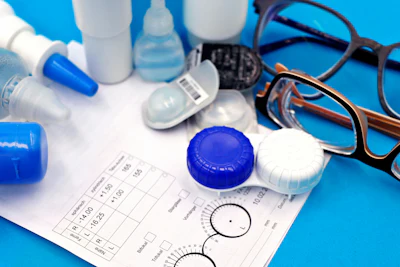
K.C. Pharmaceuticals initiated a recall of more than 3.1 million bottles of lubricating eye drops on March 3, 2026. The products, sold under several names at major retailers across the country, weren’t properly tested meaning sterility can’t be verified.
According to a CNN report, eight products are being recalled: Dry Eye Relief Eye Drops, Artificial Tears Sterile Lubricant Eye Drops, Sterile Eye Drops Original Formula, Sterile Eye Drops Redness Lubricant, Eye Drops Advanced Relief, Ultra Lubricating Eye Drops, Sterile Eye Drops AC and Sterile Eye Drops Soothing Tears.
These products are sold under various company names including Top Care, Best Choice, Good Sense, Rugby, Leader, Good Neighbor Pharmacy, Quality Choice, Valu Merchandisers, Geri Care, Walgreens, CVS and Kroger.
Because of the recall size, over a million people may be affected, CNN says. Nonsterile eye drops may harbor bacteria and fungus, resulting in eye infection.
Sterility Mandates
The Food and Drug Administration (FDA) requires sterility testing for pharmaceutical manufacturers. They must adhere to strict guidelines to ensure their products are safe for patient use and are free from viable microorganisms.
Typically, a Sterility Assurance Level (SAL) of less than one in a million probability of a non-sterile unit is required, according to the FDA. This is achieved through validated sterilization processes, environmental controls, packaging integrity, and comprehensive quality systems rather than just final product testing.
However, passing a sterility test doesn’t guarantee that a whole batch of product is sterile. It only confirms that no microbes were present in the sample.
How to Ensure Sterility
To ensure sterility in pharmaceutical manufacturing the FDA outlines a comprehensive approach that includes validated sterilization processes, stringent environmental controls, and personnel training. By employing appropriate sterilization methods manufacturers can effectively minimize contamination risks.
- Maintain a validated sterilization process: The sterilization method must be validated to consistently achieve the required sterility assurance level (SAL) for the product.
- Implement robust environmental controls: Cleanrooms and controlled environments should be designed and maintained to prevent microbial contamination during manufacturing.
- Use appropriate sterilization methods: Choose sterilization techniques suitable for the product and packaging, such as steam sterilization, ethylene oxide (EO), radiation, or filtration.
- Conduct routine monitoring and testing: Regular microbiological monitoring of the environment, equipment, and product is essential to detect and control contamination risks.
- Ensure personnel training and hygiene: Staff must be trained in aseptic techniques and follow strict hygiene and gowning procedures to minimize contamination.
- Establish validated cleaning and maintenance procedures: Equipment and facilities must be cleaned and maintained under validated protocols to prevent bioburden buildup.
- Perform sterility testing on final products: Sterility tests should be conducted on representative samples to confirm the absence of viable microorganisms.
- Document all processes and deviations: Comprehensive documentation and investigation of any deviations or contamination events help maintain sterility assurance.
- Use sterilization indicators and biological indicators: Employ chemical and biological indicators to verify the effectiveness of sterilization cycles.
- Control packaging integrity: Packaging must maintain sterility until point of use, requiring validated sealing and integrity testing.