NAPCOR's 2024 PET recycling data shows the rate decreased to 30.2% from 2023's 32.5%, primarily due to more bottles becoming available for recycling while collection remained steady. Thermoform recovery surged 52% largely from improved measurement technology and depolymerization pathways, while reclaimers face economic pressure from imported recycled resin and softer demand.
- PET recycling rate declined to 30.2% in 2024 from 32.5% in 2023, driven by increased bottle availability rather than collection decline
- Thermoform recovery increased 52%, primarily due to better optical sortation, AI technologies, and refined survey methodology rather than sudden market shifts
- Reclamation efficiency improved to 85% of incoming material through depolymerization technologies processing previously discarded byproducts
- Imported recycled resin and softer rPET demand are creating economic challenges for North American reclaimers, contributing to facility closures
- Deposit return systems drive 30-40% of total PET recovery and show significantly higher per-capita collection rates in states like Oregon
NAPCOR Director of Data Services Lauren Laibach breaks down the key findings from the association’s annual PET Recycling Report, offering important context behind the 2024 data and the market forces shaping PET recovery in North America.
Packaging World:
Last year’s results, from 2023 data, were record-setting, with a PET recycling rate of 32.5%. The 2024 data shows a decrease to around 30.2%. How should the industry interpret this shift?
Lauren Laibach:
 Lauren Laibach, director of data services, NAPCORNAPCOR
One of the most striking findings in the report is that there was a 52% increase in PET thermoform recovery. What specific changes enabled that surge?
The nuance behind that number is important. The recycling system was built around bottles, and that was the primary feedstock for post-consumer PET. Since 2011, we’ve asked about estimated thermoform volumes in PET bottle bales, and we’ve refined those estimates over time as reclaimers gained better visibility through improved optical sortation and AI technologies.
These tools now allow reclaimers to more accurately account for thermoforms entering facilities. Changes in survey methodology and better measurement of thermoforms in curbside streams have led to a much better accounting of total thermoform content. So while the 52% increase looks dramatic, it more accurately reflects a gradual increase over time that we’re now measuring more precisely.
Our annual bale audits also support this, showing a steady increase in thermoform content over time rather than a sudden jump.
Do recyclers want thermoform material in PET bales?
Tolerance for thermoform material has grown because it’s increasingly part of the stream, whether desired or not. Reclaimers have adapted, but most facilities are still optimized for bottle recovery. Tlhermoforms tend to have higher yield losses for mechanical recyclers, so many reclaimers cap the amount of thermoforms they’re willing accept in bales depending on their end market specifications. Thermoforms are not yet as efficient a feedstock as bottles, but that’s evolving as new recovery pathways, including depolymerization, continue to expand.
Rumpke Recycling announced last year that they’re taking thermoforms and sending them to Eastman for depolymerization. How does this impact recycling rates?
That’s a great example of how depolymerization can complement mechanical recycling. This is the first year of data capturing Eastman’s contribution to recovery volumes, and its ability to accept thermoforms—combined with Rumpke’s expanded access to thermoform recycling—demonstrates how depolymerization is expanding PET recycling access.
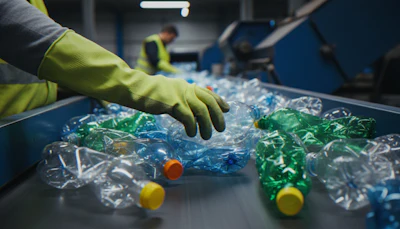
 PET bale composition is evolving, with more thermoforms entering the stream and reshaping recovery dynamics.Adobe Stock
Eastman is also taking less desirable feedstocks like colored PET bottles and thermoforms, along with mechanical recycling byproducts, and recirculating them. That has improved overall system efficiency in 2024.
The report highlights improved reclamation efficiency, with recovered outputs rising to about 85% of incoming material. What’s driving those gains?
The primary driver is the greater recirculation of reclaimer byproducts that previously would have been yield losses. Materials like fines, purge, or lower-quality PET that mechanical reclaimers can’t use can now be processed through depolymerization technologies like Eastman’s. That improves total material utilization across the system.
What are the biggest factors affecting the challenging economics of North American reclaimers right now?
Softer demand for recycled PET is one major factor. Historically, supply was the primary constraint, but the market is now recalibrating after a period of rapid demand growth, which has shown signs of slowing down. The steady growth of rPET use in bottles flattened in 2024, indicating slowing momentum.
Another challenge is pricing pressure from virgin resin and lower-cost imported rPET. Imported recycled resin can meet minimum-content requirements while undercutting domestic recyclers, making it harder for North American reclaimers to compete. This has contributed to facility closures and growing concern across the industry.
Domestic recyclers need support to weather these immediate threats while longer-term policy solutions are developed. NAPCOR has developed a position statement on imported rPET to help address these challenges.
What policy developments could have the biggest impact on PET recycling rates over the next five years?
Deposit return systems consistently drive between 30% and 40% of total PET recovery, despite existing in only a limited number of states. We know these programs work, and states with deposit systems have much higher per-capita PET bottle collection rates.
Oregon stands out as a top-performing model, with broad product coverage and a 10-cent deposit. Expanding well-designed deposit systems would strongly support greater recovery.
Extended Producer Responsibility [EPR] is also gaining momentum and will likely play an important role as packaging EPR develops in the U.S.
Any final thoughts?
Recycled PET imports are a major challenge facing the industry right now, and we expect that pressure to intensify in 2025. Protecting domestic recycling infrastructure is critical to maintaining a truly circular economy in North America.
PET’s sustainability story depends on recycled content, energy efficiency, and lower emissions. If recycling increasingly depends on overseas imports, that undermines many of those sustainability benefits. Protecting domestic recyclers is essential to preserving PET’s long-term circularity. PW