CVS Coram replaced traditional foam coolers with recyclable, paper-based packaging for specialty infusion therapies, removing thousands of pounds of plastic annually while improving operational efficiency and patient experience.
- CVS transitioned from expanded polystyrene (EPS) foam coolers to compostable and recyclable paper-based packaging for specialty infusion and nutrition therapies
- The new nested box design is more compact and easier to recycle than bulky foam, reducing storage and logistical challenges
- Implementation removes thousands of pounds of plastic annually while maintaining rigorous temperature control and durability standards
- Phased rollout began in Mendota Heights, Minnesota; Malvern, Pennsylvania; and San Diego, with plans to extend learnings across other healthcare segments
- The initiative demonstrates cross-functional collaboration and positions the packaging redesign as a scalable operational improvement for healthcare logistics networks
Key Takeaways:
- The transition to paper-based, recyclable packaging for specialty infusion therapies addresses logistical challenges associated with bulky, non-recyclable materials.
- Coram's initiative is expected to increase operational efficiency in business operations, logistics, and workflow while optimizing storage space.
- The successful implementation of this model could serve as a template for other segments of the healthcare industry dealing with cold chain distribution and environmental regulations.
As the healthcare sector faces increasing pressure to reduce its environmental footprint, companies are re-evaluating their supply chain and logistics operations, particularly in the packaging of temperature-sensitive pharmaceuticals. Coram CVS Specialty Infusion Services has initiated a shift away from traditional expanded polystyrene (EPS) coolers, replacing them with a recyclable, paper-based packaging solution for its specialty infusion and nutrition therapies.
The previous packaging method for these life-sustaining medications presented logistical and disposal challenges for both the company and patients. The EPS coolers were described as bulky and difficult to store, maneuver, or recycle, with the material taking many years to decompose in landfills. The new system is designed to improve efficiency across the supply chain.
“By replacing difficult-to-recycle materials with compostable and recyclable alternatives, we’re reducing waste, improving the patient experience, and removing thousands of pounds of plastic each year,” says Jenny McColloch, Chief Sustainability Officer and VP, Community Impact at CVS Health.
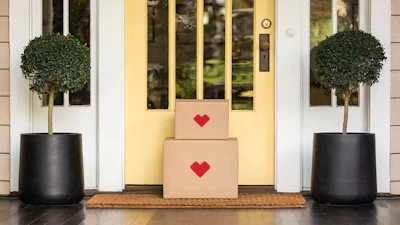
The new packaging, which utilizes a "nested box" design to consolidate shipments, has undergone rigorous testing to ensure it meets or exceeds performance standards for temperature control and durability. According to the company, the design is more compact and easier for patients to break down for recycling or composting.
This operational change is being implemented in phases, starting with pharmacies in Mendota Heights, Minnesota; Malvern, Pennsylvania; and San Diego. The company is framing the initiative as a potential model for wider application.
“We’re exploring opportunities to extend these learnings to other segments — and build on the success of the integrated, cross-functional team that demonstrated the power of enterprise-wide collaboration to drive meaningful change,” states Tom Underkoffler, Executive Director of Logistics and Packaging. This suggests the company views the packaging redesign not just as a sustainability project, but as a scalable operational improvement for its logistics network.