If you're a packaging or processing OEM marketer, you know the million-dollar question: How do you get the most from your marketing budget while creating real opportunities for your sales team?
Trade shows, email, digital advertising, and industry publications all compete for the same dollars. That makes it tempting to spread your budget across as many channels as possible.
But the best marketing plan isn't the one with the biggest budget or the most channels. It's the one where every investment has a purpose, reaches the right audience, and works with your other activities to move buyers closer to a purchase.
That matters even more for packaging and processing OEMs. Equipment purchases can take months or years, several people weigh in on each one, and customers aren't always shopping for machinery.
As you finalize your 2027 strategy, here are five things worth prioritizing.
1. A brand awareness strategy that doesn't stop when lead gen starts
It's easy to favor campaigns that produce leads right away. Leads are measurable and tangible, and sales can act on them.
But what about the packaging engineer who will need a new case packer in 18 months? Or the plant manager whose automation project is waiting on next year's capital budget? They're future customers, and they're worth reaching today.
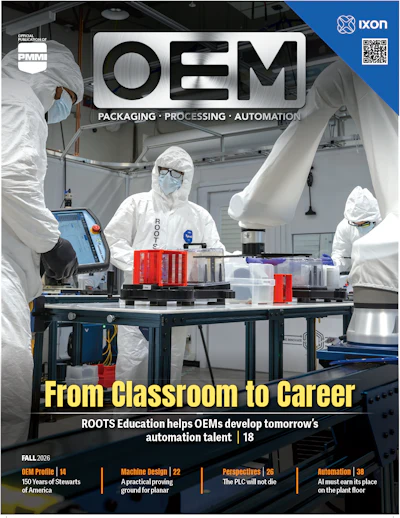
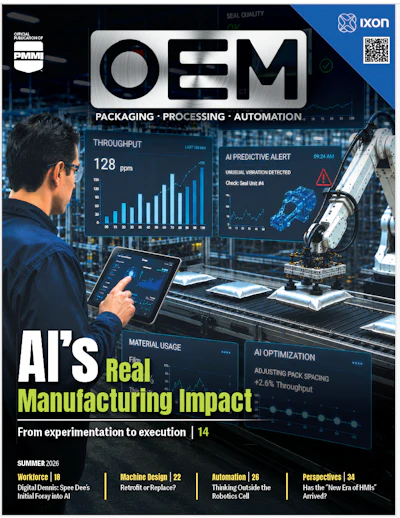
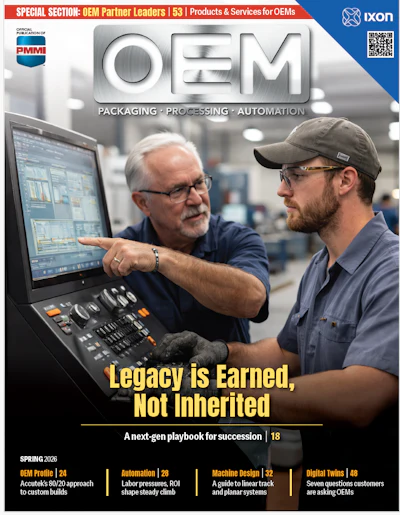
In PMMI Media Group's 2025 Buying Cycle Study, 86% of equipment buyers said seeing a supplier's brand multiple times was somewhat or extremely important to establishing credibility. Brand recognition can decide whether a buyer even considers you when a need comes up.
Starview Packaging understands this. As a smaller machinery manufacturer competing against larger players, the company has moved away from one-off campaigns and toward a coordinated, year-round presence across multiple channels.
For 2027: Set aside part of your budget to build awareness with buyers who aren't ready to purchase yet. Staying visible now makes your future lead generation work better.
2. An audience strategy prioritizing quality over quantity
Reaching the right audience is especially hard for OEMs selling to end users. Potential customers include packaging engineers, plant managers, operations executives, and procurement professionals across many industries. And not everyone with an engineering title has a say in equipment purchases.
Starview learned this firsthand. Outbound email, cold calling, and third-party lists weren't reliably producing the engagement it wanted. When the company shifted to targeted, industry-specific channels, it saw stronger engagement from the audiences it was trying to reach.
For 2027: Define your ideal customer profile more precisely. Judge each channel by how well it reaches qualified buyers, not by the size of its audience. A short list of relevant contacts is worth far more than hundreds of leads that never become sales conversations.
3. A trade show strategy beyond the show floor
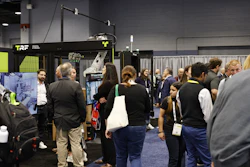
Trade shows are still one of the best ways for OEMs to demonstrate equipment, talk through applications, and build relationships face-to-face. But exhibiting shouldn't be a standalone activity.
Picture two visitors arriving at your booth. One has never heard of your company. The other has seen your ads, watched a video of your equipment, or read your content before the show. Which conversation starts further along?
PACK EXPO has long been central to Starview's marketing, and the company backs it with consistent pre-show messaging. Starview says booth visitors arrive increasingly familiar with its solutions. It hasn't tied that to specific campaigns, but believes steady visibility has made conversations more productive.
Keep following up after the show, too. Not every booth visitor is ready to buy, and those relationships lose momentum fast.
For 2027: Plan your trade show strategy in three stages: build awareness before the event, create meaningful engagement on the floor, and follow up with prospects afterward. Your show investment should keep paying off long after the show closes.
4. A marketing mix informed by data
Each channel has its own strengths. The challenge isn't picking the single best one. It's understanding how they work together.
In a PMMI Media Group supplier marketing survey, 95% of respondents used in-house email marketing, 92% used organic social media, 75% named video as an investment priority, and 61% used print advertising in trade media. But a channel being popular doesn't mean it's effective.
Look at how competitors in your equipment category divide their budgets, which channels they use, and what engagement they get. That can show you openings in your own strategy. Are you leaning heavily on email while competitors stay visible across several channels? Are you overlooking industry content, digital advertising, or video?
The goal isn't to copy a competitor's plan or match its spending. It's to find where you're underrepresented.
For 2027: Audit your marketing mix. Define what each channel should accomplish, review how it's performing, and use competitive benchmarks to challenge your assumptions about where your money goes.
5. A measurement plan beyond leads and clicks
Opens, clicks, site visits, and form fills don't always tell you whether you're getting closer to a sale.
With long evaluations and multiple decision-makers, OEMs need to measure more than immediate conversions. Track engagement from target accounts, qualified sales conversations, repeat interactions with prospects, and opportunities marketing helped create. Use your CRM to capture it. That takes coordination with sales, but it's worth it.
Then ask your sales team directly: Are prospects showing up to meetings and demos better informed? Are you reaching companies that weren't on your radar before? Are customers saying they've already seen your equipment or content?
Smaller teams can't measure everything, so pick a handful of metrics tied to business goals.
For 2027: Get marketing and sales to agree on what counts as a qualified opportunity, and review performance together regularly. Look at both short-term campaign results and longer-term progress toward revenue.
Make Every Channel Count in 2027
No single marketing mix works for every packaging and processing OEM. The right approach depends on your equipment, target industries, sales cycle, budget, and growth goals.
These five priorities shouldn't be separate initiatives. Think of them as one continuous loop, where brand awareness, targeted reach, engagement, and sales opportunities each feed the others.