Only a fraction of OEMs are adopting digital training tools, despite end users’ growing preference for video-based learning to reduce downtime. PMMI’s 2025 Inside the Workforce Gap report reveals a disconnect between training delivery and operational needs.
Despite a variety of training methods for a new workforce, only 20% of OEMs offer self-paced video modules, 6% interactive platforms, and 4% virtual reality.
OEMs continue to favor traditional modes of training 87% rely on instructor-led live training, followed by 82% that provide printed SOPs/manuals.
End users also report relying on traditional methods—manuals, classroom sessions, and peer shadowing dominate.
However, end users say video-based learning—especially short, visual modules—would be more effective than manuals or classroom sessions in reducing downtime. PMMI’s Business Intelligence team finds that many end users say that classroom lessons and manuals rarely stick and operators learn better through short, visual guidance.
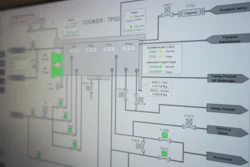
Offering quick videos or step-through HMI processes to walk operators through troubleshooting in the moment would be more valuable than the time spent flipping through a manual.
End users report that while OEMs provide onsite training and materials, they’re often limited, inconsistent, or impractical. Manuals are usually paper-based, training videos are rare, and digital documentation is often missing or not tailored to customized equipment.
When documentation exists, it is often too technical, inconsistent in terminology, or overly long—leading some companies to rewrite or simplify it into their own quick-start guides for operators.
For more insights from PMMI’s Business Intelligence team, find reports, including Inside the Workforce Gap, The New Material World: Packaging’s Path Toward Sustainability, and Food Safety and Sanitation Trends at https://www.pmmi.org/business-intelligence.
Download the FREE report below.