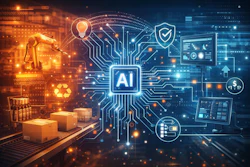
AI-powered phishing attacks using deepfakes and voice clones cause billions in losses through Business Email Compromise. Organizations can defend themselves with verification protocols, staff training, email authentication, multifactor authentication, and limiting public exposure.
- Business Email Compromise attacks cost companies nearly $3 billion in reported losses using AI deepfakes, voice clones, and hyper-personalized messages
- Five essential defenses: verify requests with direct contact, train staff on phishing tactics, implement email protections (SPF, DKIM, DMARC), require multifactor authentication, and limit public exposure
- Finance teams, HR staff, executives, and trade show attendees face highest risk during busy periods when urgency and distraction increase vulnerability
- Thread hijacking exploits real email conversations by inserting fake invoices or urgent requests that appear legitimate to recipients
- Voice-based scams (vishing) bypass email entirely, using cloned audio to impersonate authority figures requesting payments or sensitive data
Phishing isn’t just about shady links and misspelled emails anymore. Today’s cyberattacks are powered by AI, making them harder to detect and far more convincing than they used to be. Criminals are using deepfakes, voice clones, and advanced social engineering to impersonate executives, vendors, and partners. Their goal? To trick someone, anyone, into transferring money or giving up credentials. This new wave of attacks falls under a category called Business Email Compromise (BEC), which caused nearly $3 billion in reported losses in past years.
What’s new in phishing?
- Deepfakes and voice clones - AI tools can mimic your CEO’s voice — or create a video of them asking for gift cards or a wire transfer.
- Thread hijacking - Hackers reply to real email chains with fake invoices or urgent requests. They look legit because they started from real conversations.
- Hyper-personalization -AI scrapes social media and websites to make phishing emails eerily relevant, making references to events, employees, or recent announcements.
- Voice-based scams (vishing) - Some attackers skip email altogether and use cloned audio to call in fake payment requests.
Who's at risk?
- Finance teams handling payments
- HR staff processing sensitive data
- Executives who are being impersonated
- Anyone with access to email, files, or systems
Trade show teams are especially vulnerable during busy event seasons, when urgency is high and distractions are many.
Five keys to staying protected:
- Verify, don’t assume - If a request involves money or sensitive data — confirm it with a phone call or direct message, using known contact info.
- Train staff regularly - Simulate phishing emails, include voice/video examples, and talk about BEC openly across departments — not just IT.
- Use email protections - Implement technical protection mechanisms, including SPF, DKIM, and DMARC, to prevent spoofed emails. Tag external messages using warning banners to make them easier to spot.
- Require multifactor authentication (MFA) everywhere - Even if someone gives up their password, multifactor authentication stops the attack cold.
- Tighten public exposure - Limit what you publish about org charts, executive travel, or personal contact details — especially before major events.
Make security a reflex
In an AI-powered threat landscape, trust needs to be earned, not assumed. Empower your team to pause, question, and escalate. That moment of doubt might save your company thousands — or protect your customers’ data. Slow is safe. Fast is phished.
Want a phishing playbook, checklist, or awareness flyer? We’ve got resources ready — just reach out to [email protected].